It is common in Asian cuisine to use sesame oil, a cooking oil derived from sesame seeds. They are used in many ways in Chinese, Japanese, South Indian, and Middle Eastern cuisines and come in a few variations produced with pressed plain seeds or roasted seeds.
Toasted sesame oil is used as a flavor in sauces, soups, and other meals while light sesame oil is often used as a neutral cooking oil.
So in this article, you will see a guide on cold-pressed sesame oil buy online India.
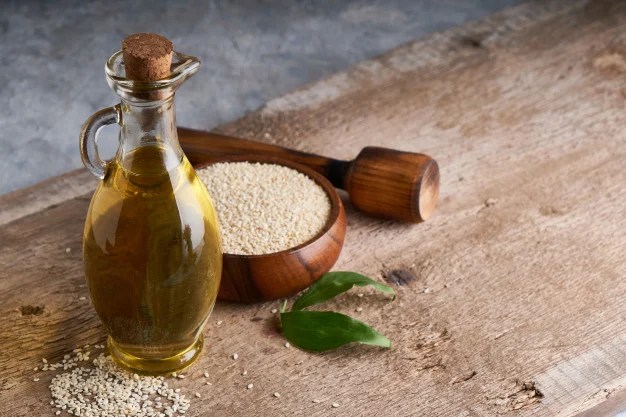
What Flavor Does It Have?
Light sesame oil blends seamlessly into any recipe and has a neutral oil flavor. Rich, nutty, toasted sesame oil is adored for its flavor. It gives recipes a flavorful boost and has a distinct aroma of toasted sesame.
How to Purchase Sesame Oil
Most large stores have toasted sesame oil in the Asian section. Although it is frequently offered in a small glass or plastic bottles, bigger gallons can occasionally be obtained, especially at bulk food stores. Visit an Asian market of cold pressed sesame oil buy online India for extra choices; there, you’ll often discover a few brands and light sesame oil. A darker hue often indicates a greater flavor for toasted sesame, therefore look for an oil that is 100% sesame (not mixed).
Storage
Sesame oil can be kept for a long time in its original container by tightly screwing on the lid and keeping it in a cold, dark location. Light sesame oil keeps for up to a year and is best kept at room temperature. Though it has a somewhat lower shelf life than raw sesame, toasted sesame can still be stored properly for several months. Its lifespan can be further increased by keeping it in the refrigerator. When cold, the oil will be slightly thicker but still pourable.
Set the good apart from the bad
Identification of Water
Using chopsticks, drop a little amount of pure sesame oil into the transparent water. The oil will appear as a thin, colorless slick and then solidify into a number of tiny droplets. The slick of adulterated sesame oil is tiny, viscous, and challenging to distribute.
Recognizing colors
Sesame oil should be poured into the cylinder from a high point. Light yellow oil splashes indicate that rapeseed and sesame oils have been blended. Pure sesame oil has a reddish-copper color and is exceptionally transparent and fragrant. In general, pressed sesame oil has a paler color than powdered sesame oil.
Determining the freezing
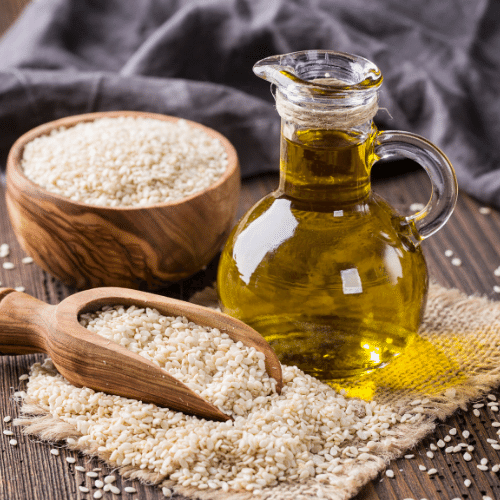
Frozen sesame oil should be removed from the refrigerator and placed in the air to dissolve. Pure sesame oil overall would melt quickly, while bad-grade sesame oil dissolves slowly. There will be a significant hard heart during the melting period.
Recognizing heat
Sesame oil that has been heated in a pan will quickly start to precipitate. But if it becomes white, that means fat has been mixed in with the oil. If it gets extremely transparent, it means the oil has been blended with rapeseed oil. When the hair becomes murky, the oil has been incorporated into the rice soup.
Odor recognition
To test for sesame oil, rub a bit in your palms for friction. If the oil has a strong flavor. If the fragrance of beans is present, soybean oil may have been added to the oil. If the oil has a spicy flavor, rapeseed oil can be added to the mixture.
If you are interested in using sesame oil to improve your health, please contact us today. We would be happy to share more information with you. Gulab Goodness provide best cold pressed sesame oil across India.
 Gulab Goodness
Leave a comment