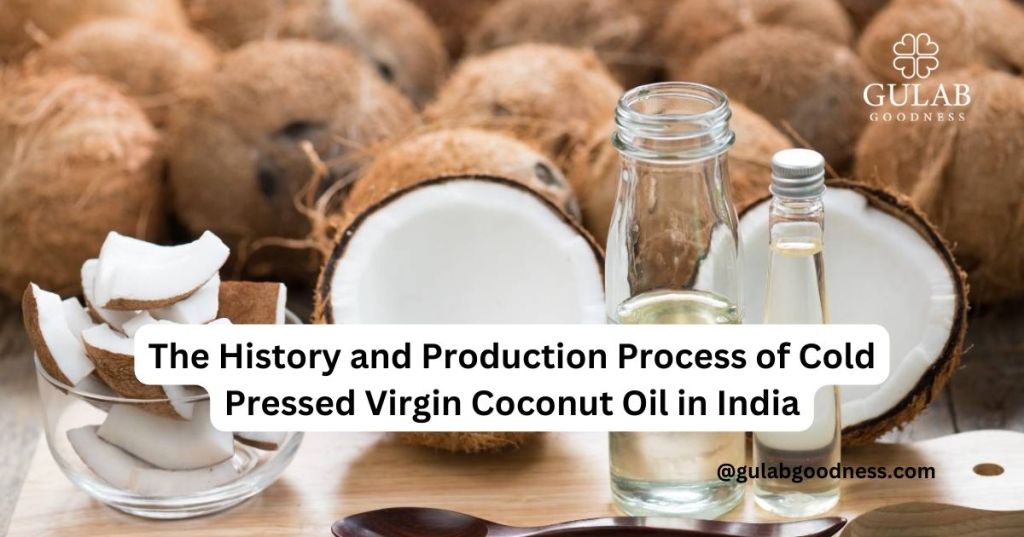
India, with its diverse agricultural landscape, has been a hub for traditional methods of producing natural oils for centuries. Among these, cold pressed virgin coconut oil in india stands out not only for its aromatic and nutritional properties but also for its versatile uses. Let’s dive into the rich history and intricate production process of this liquid gold of the tropics.
History of Virgin Coconut Oil in India
Coconut, often referred to as the ‘Tree of Life’, has been an integral part of Indian culture and traditions for thousands of years. Historically, coconut oil has been used not just for culinary purposes but also in Ayurvedic medicine, skincare, and hair care.
The production of virgin coconut oil in India can be traced back to ancient times when the indigenous people of the coastal regions used primitive cold pressing methods to extract oil from fresh coconut milk. Over the years, as knowledge and techniques evolved, the art of producing high-quality virgin coconut oil became more refined, yet it has always remained deeply rooted in tradition.
The Production Process of Cold Pressed Virgin Coconut Oil
1. Selection of Coconuts
The quality of virgin coconut oil largely depends on the raw material used. Fresh, mature coconuts are handpicked from coconut plantations. These coconuts should be free from any defects and should be harvested at the right stage of maturity to ensure optimum oil content.
2. Husking and De-shelling
Once harvested, the outer husk of the coconut is removed using traditional methods. The de-shelled coconuts are then cleaned to remove any residual husk or dirt.
3. Cold Pressing
The cold pressing method is what sets virgin coconut oil apart from other types of coconut oil. In this process:
- Grating: The cleaned coconut meat is grated manually or mechanically to produce coconut flakes.
- Pressing: The grated coconut is then subjected to cold pressing, where it is pressed to extract the milk.
- Separation: The coconut milk is allowed to stand for a few hours to facilitate natural separation of the oil from the water.
4. Filtering and Bottling
After separation, the oil is carefully filtered to remove any impurities, ensuring that the end product is pure and free from any additives or preservatives. The filtered virgin coconut oil is then bottled and sealed to maintain its freshness and quality.
Also read out: How to Choose the Best Cold Pressed Virgin Coconut Oil – Ultimate Guide!
Benefits of Cold Pressed Virgin Coconut Oil
Cold pressed virgin coconut oil is revered for its numerous health and skincare benefits. It is rich in medium-chain fatty acids, antioxidants, and vitamins, making it an excellent choice for:
- Cooking and baking
- Moisturizing skin and hair
- Boosting immunity
- Promoting heart health
- Supporting digestion
Conclusion
Cold pressed virgin coconut oil, with its rich history and meticulous production process, is a true embodiment of India’s age-old traditions meeting modern wellness needs. Its purity and versatility make it a staple in households across the globe.
When looking for high-quality cold pressed virgin coconut oil, trust only the best. Choose Gulab Goodness for an authentic and premium experience. Our commitment to quality ensures that you get nothing but the purest and most nutritious coconut oil for all your culinary and wellness needs.
Experience the goodness of nature with Gulab Goodness – where tradition meets purity!
 Gulab Goodness
Leave a comment